Toilet Flapper Replacement in Flower Mound, Texas
Is Your Toilet Running... Nonstop?
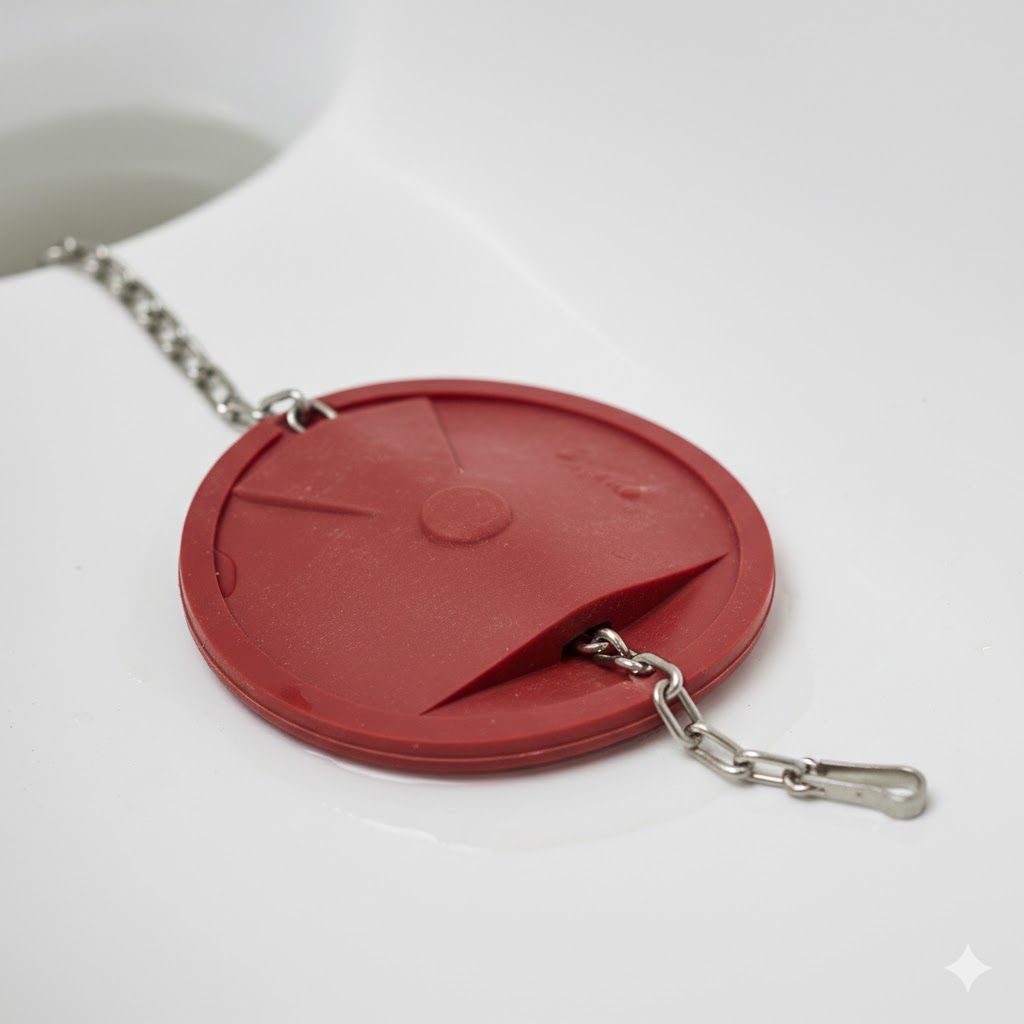
We’ve replaced more toilet flappers than I can count. It’s one of those small plumbing parts most people never think about until the water bill spikes or the toilet starts making noise in the middle of the night. In Flower Mound homes, especially ones that are 10–25 years old, a worn-out toilet flapper is one of the most common causes of wasted water.
The good news is this: a toilet flapper is a small part. The bad news is this: when it fails, it can quietly waste thousands of gallons of water before anyone realizes what’s happening.
Let’s walk through what a toilet flapper does, how to tell when it’s failing, why running toilets are more expensive than most people think, and when it makes sense to call a plumber instead of trying to force a DIY fix.
A toilet flapper is the rubber or silicone seal at the bottom of the toilet tank. When you flush, the flapper lifts up and allows water to rush from the tank into the bowl. Once the tank empties, the flapper drops back down and seals the opening so the tank can refill for the next flush. When that seal is tight, everything works the way it should. When it isn’t, water keeps leaking from the tank into the bowl. That’s what causes a toilet to “run.”
Most flappers don’t fail all at once. They slowly warp, harden, or crack over time. In North Texas, minerals in the water and constant use tend to speed that process up. By the time homeowners notice a problem, it’s often been going on for weeks. One of the most common signs of a bad flapper is a toilet that runs on and off by itself. You might hear the tank refill randomly, even when no one has flushed. Another sign is water trickling into the bowl long after a flush. Sometimes the toilet still flushes fine, which is why people ignore it. The toilet “works,” but it’s wasting water every minute of the day.
A higher-than-normal water bill is another red flag. I’ve seen flappers that were costing homeowners hundreds of dollars a year without them realizing it. Because the leak is quiet and hidden inside the toilet, it doesn’t feel urgent. But running toilets are one of the biggest sources of indoor water waste in a home.
Some people try the food coloring test. You add a few drops of food coloring to the tank and wait 15–20 minutes without flushing. If color shows up in the bowl, the flapper isn’t sealing properly. That test works, but it only confirms the problem. It doesn’t fix it.
Now let’s talk about DIY flapper replacement, because this is where things can go sideways.
In theory, replacing a toilet flapper sounds simple. In practice, there are dozens of flapper styles, sizes, and materials. Universal flappers aren’t always universal. Older toilets, specialty models, and newer high-efficiency toilets all use different setups. I’ve been called out plenty of times after a homeowner tried replacing a flapper themselves and ended up with a toilet that flushed worse than before. Sometimes the chain length is wrong. Sometimes the flapper doesn’t seat correctly. Sometimes the fill valve gets bumped or damaged in the process.
Another issue I see often is replacing the flapper when the real problem is something else. A worn flush valve seat, a failing fill valve, or a warped overflow tube can all cause similar symptoms. Swapping the flapper won’t fix those issues, and the toilet will keep running. There’s also the risk of over-tightening or cracking old parts inside the tank. Toilet porcelain is strong until it isn’t. A small mistake can turn a minor repair into a cracked tank, and at that point, replacement becomes the only option. That’s usually when people call a plumber anyway.
When a plumber replaces a toilet flapper, they’re not just swapping a piece of rubber. They’re checking the entire flush system. They make sure the flapper matches the toilet, the seal surface is clean and intact, the chain length is correct, and the fill valve is operating properly. They also check for slow leaks that aren’t obvious yet.
In Flower Mound, many homes have toilets that were installed during original construction. That means parts are aging together. Replacing one worn component while ignoring others can lead to repeated issues. A professional repair addresses the system, not just the symptom. Timing matters too. If your toilet is running constantly, making noise, or causing your water bill to climb, it’s not something to put off. The longer it runs, the more water you waste, and the more stress you put on the internal parts.
There are also situations where flapper replacement is part of a larger decision. If a toilet is older, inefficient, or already cracking at the base or tank bolts, replacing the flapper might be a temporary fix. In those cases, a plumber can help you decide whether repair or replacement makes more sense long-term.
From a homeowner’s perspective, the goal is simple: a quiet toilet that flushes properly and doesn’t waste water. A failing flapper gets in the way of that. If you live in Flower Mound and your toilet is running, refilling on its own, or driving your water bill up for no clear reason, a flapper issue is often the place to start. Whether it’s a straightforward replacement or a sign of a bigger problem, getting it checked sooner rather than later usually saves money and frustration.
Plumbing problems don’t always announce themselves with a flood. Sometimes they just whisper through a running toilet. Catching those early is one of the easiest ways to protect your home and your wallet.
Do You Need A Flapper Replaced?
This is an easy job for a professional. Skip the guesswork and call FlowMo—we’ll send a licensed Flower Mound plumber to get your toilet back up and running quietly, cleanly, and reliably.
Recent Posts