Water Heater Replacement Cost in Flower Mound, Texas
How Much Does It Really Cost To Replace A Water Heater in Flower Mound, Texas?
Replacing a water heater is one of those home projects most people don’t plan for. Nobody wakes up excited to shop for one. Usually, the conversation starts because the shower went cold, the water looks rusty, or there’s a puddle forming where there shouldn’t be one. After years of working in Flower Mound homes, I can tell you this is one of the most common calls we get, and it almost always comes with the same question right away: “How much is this going to cost?”
The honest answer is that water heater replacement costs vary, but they’re not a mystery if you know what affects the price. My goal here is to explain what goes into that cost, how tank and tankless systems compare, how long water heaters typically last, and when replacement makes more sense than repair.
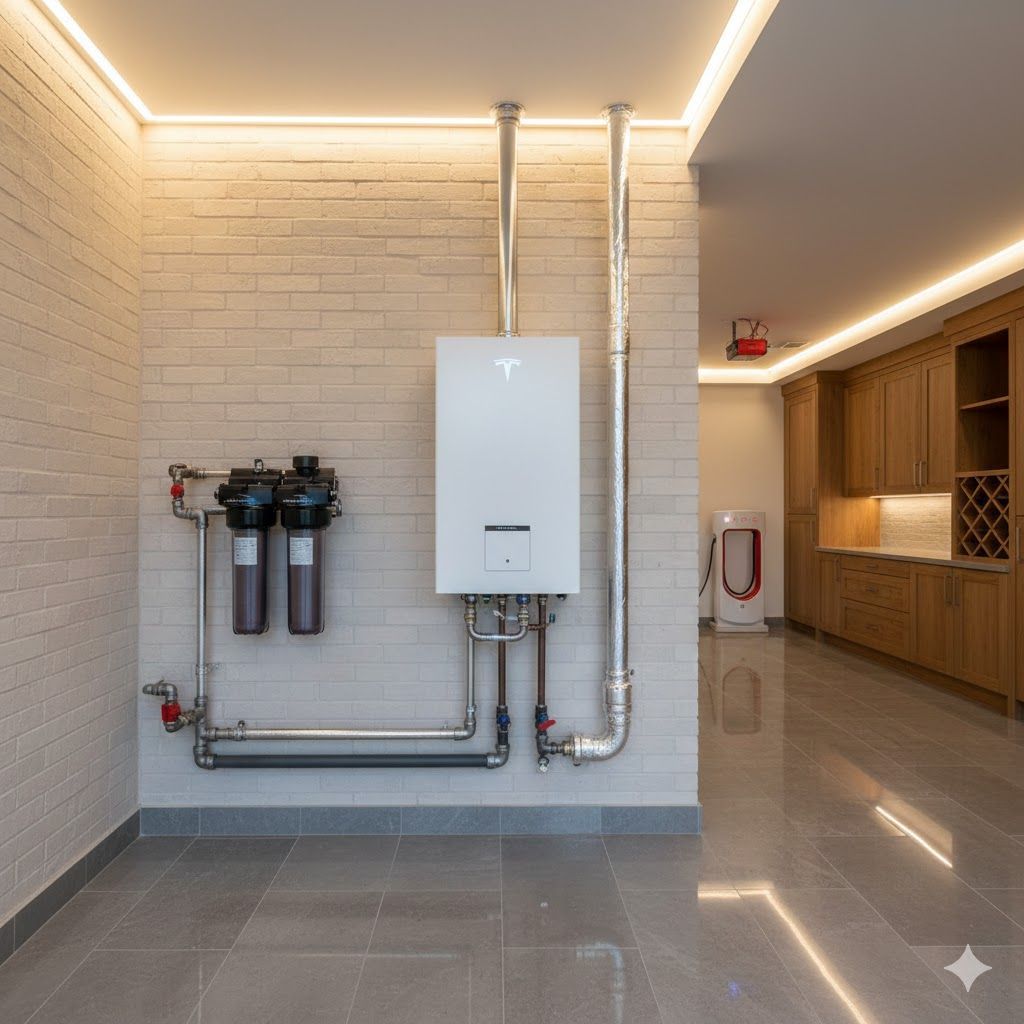
Let’s start with the basics. A traditional tank-style water heater stores hot water and reheats it as you use it. These are still very common in Flower Mound homes. A tankless water heater heats water on demand and doesn’t store it at all. Both options can work well, but they come with different price points and expectations.
In general, replacing a standard tank water heater is the more affordable option upfront. Tank replacements are usually straightforward if the new unit is similar in size and fuel type to the old one. That means fewer changes to plumbing, venting, and utilities. Tankless water heaters cost more upfront because the equipment is more expensive and installation is more involved.
That said, the unit itself is only part of the equation. What really affects the final price is what your home needs to safely support the new system.
Several factors influence water heater replacement cost in Flower Mound. The first is fuel type. Gas water heaters usually cost more than electric units, but they often recover hot water faster and handle higher demand. If your home already has a gas setup, that can be an advantage. Switching fuel types adds complexity and cost.
Another factor is size and capacity. Water heaters should be sized based on household use, not guesswork. A family that uses multiple showers back-to-back needs a different setup than a household with lighter demand. Oversizing wastes money. Undersizing leads to frustration. Proper sizing matters for comfort and efficiency.
Location also plays a role. Water heaters installed in garages, attics, or closets may require additional labor or safety considerations. Venting requirements, drain pans, expansion tanks, and code updates all affect cost. Many Flower Mound homes need expansion tanks added or replaced during water heater installation to meet current standards.
Lifespan is another piece homeowners ask about. Traditional tank water heaters typically last 8 to 12 years, depending on water quality, usage, and maintenance. Tankless systems can last 20 years or more when properly maintained. That longer lifespan is one reason some homeowners choose tankless despite the higher upfront cost.
Knowing when to replace a water heater instead of repairing it can save money in the long run. There are a few warning signs I always tell homeowners to watch for. If the water heater is nearing the end of its expected lifespan and starting to leak, replacement is usually the smarter move. Leaks from the tank itself aren’t repairable. Once a tank starts leaking, it’s only a matter of time.
Rust-colored water, popping or rumbling noises, and inconsistent water temperature are also red flags. Some issues can be repaired, especially on newer units, but repeated repairs on an aging water heater often add up quickly. At a certain point, you’re better off putting that money toward a new system.
Tank versus tankless pricing is another area where expectations matter. Tank replacements generally cost less upfront and are familiar to most homeowners. Tankless systems cost more initially but offer energy efficiency, longer lifespan, and the convenience of extended hot water. Neither option is automatically better. The right choice depends on how long you plan to stay in your home, how you use hot water, and what your budget allows.
One thing I always encourage homeowners to consider is long-term value, not just sticker price. A cheaper installation that skips necessary upgrades or uses undersized equipment can lead to problems later. A properly installed water heater should be safe, reliable, and matched to your household’s needs.
Recent Posts